What Makes an Assisted Living Neighborhood Feel Like Home?
Business Name: BeeHive Homes of Raton
Address: 1465 Turnesa St, Raton, NM 87740
Phone: (575) 271-2341
BeeHive Homes of Raton
BeeHive Homes of Raton is a warm and welcoming Assisted Living home in northern New Mexico, where each resident is known, valued, and cared for like family. Every private room includes a 3/4 bathroom, and our home-style setting offers comfort, dignity, and familiarity. Caregivers are on-site 24/7, offering gentle support with daily routines—from medication reminders to a helping hand at mealtime. Meals are prepared fresh right in our kitchen, and the smells often bring back fond memories. If you're looking for a place that feels like home—but with the support your loved one needs—BeeHive Raton is here with open arms.
1465 Turnesa St, Raton, NM 87740
Business Hours
Home is not simply a roofing, a floor plan, or a favored chair in the corner. For older adults considering assisted living, "home" usually implies something much more functional and even more individual. It indicates recognizing where the coffee remains in the early morning, acknowledging the people who stroll by your door, feeling secure adequate to rest well, and having sufficient choice left in the day to seem like yourself.
That is why two assisted living neighborhoods can provide virtually the very same services theoretically and still really feel completely various in real life. One may be tidy, effective, and well-run, however feel impersonal. One more might have the exact same degree of care, yet somehow feel warmer the moment you walk in. The distinction frequently comes down to information that are very easy to neglect if you are only contrasting sales brochures, month-to-month rates, or searching for "assisted living near me" on a phone late at night.
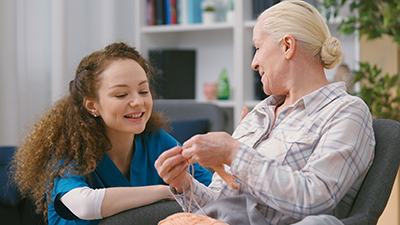
A home-like area is rarely built on one huge function. It is normally the outcome of lots of small, steady selections made by management, staff, citizens, and families. The shades on the walls matter a little. The food matters more than individuals anticipate. The means employee welcome residents issues each and every single day. So does personal privacy, freedom, and whether a resident can maintain their routines undamaged, even as they receive assist with showering, drug pointers, dressing, or meals.
Familiarity carries even more weight than luxury
People often presume that a home-like setting should appear like a developer model apartment or condo. In method, the opposite is typically real. A location can be attractive and still really feel cold if it is too brightened to be lived in. What most residents react to is knowledge. A favored recliner, a family members quilt, framed photographs, a lamp from home, and a shelf that reflects a life well lived can transform the feeling of a space more than pricey furniture ever before will.
The ideal assisted living neighborhoods recognize this. They do not treat personalization as a small detail. They motivate it due to the fact that it helps locals orient themselves, relax, and preserve identification. Moving from a long time house to senior living can really feel disorienting, specifically for a person who has actually invested years in one place. Recreating a sense of continuity helps bridge that gap.
I have actually seen residents resolve in faster when their apartment door has a wreath they selected themselves, or when their restroom rack is elderly care prepared in the very same order they made use of for years. Small continuity issues. It is not nostalgic decor. It is functional reassurance. It tells the brain, "This is still my life."
The tone of the team shapes everything
People frequently concentrate first on the physical setting, but the real environment of a community is developed by the team. Homeowners see whether employee speak to them or concerning them, whether they knock before going into, whether they remember names, and whether they appear rushed or genuinely present.
The ideal team in assisted living do greater than full jobs. They develop relationships with repeating and uniformity. They understand who suches as solid coffee, that favors a quieter lunch table, and who becomes distressed when regular adjustments. Those information may sound small from the outside, yet they are the distinction in between feeling took care of and feeling cared for.
A neighborhood can have excellent clinical methods, however if the tone is rushed or transactional, citizens feel it quickly. People of any kind of age can pick up when a location is just doing service. Older adults are especially proficient at checking out whether they are truly seen. A warm welcoming at morning meal, a calm discussion in the hallway, or a caregiver that notices that a person is quieter than common can change the emotional climate of a whole wing.
That is why families searching for senior care near me need to take note not just to credentials, but to the rhythm of day-to-day interactions. Does staff appear to know citizens by name? Do they make eye get in touch with? Do they seem to appreciate existing? Those monitorings inform you a great deal.
Control over daily life maintains dignity
One of one of the most neglected components of a home-like assisted living setting is option. Older adults seldom desire total self-reliance in the abstract. They desire sufficient control to preserve self-respect. They wish to decide when to wake up preferably, what to use, where to rest, whether to sign up with an activity, and how much aid they desire with individual care.

This matters more than individuals understand. When every component of the day is dictated by a routine constructed for effectiveness, a resident can start to seem like a traveler in their very own life. On the various other hand, even modest adaptability can make a community feel considerate and familiar. If breakfast runs until a practical hour, if a resident can avoid one activity and participate in an additional later on, if bath times are worked with around preferences instead of ease alone, the entire experience changes.
Good assisted living does not suggest getting rid of all rubbing from the day. It implies making the ideal things simpler while maintaining significant choice. That equilibrium takes judgment. Too much structure can really feel institutional. Inadequate structure can create confusion. A home-like setup lands someplace in the middle, with adequate support to minimize stress and enough flexibility to honor personality.
Privacy issues greater than square footage
A typical mistake when examining senior living is to concentrate only on home dimension. Larger is nice, yet privacy is usually more vital. A smaller room can feel deeply home-like if it offers a feeling of ownership, silent, and clear boundaries.
Residents need areas where they can be alone, make a phone call, pray, snooze, read, or merely close the door. Shared spaces are very important for connection, yet no one feels at home if they are always exposed. Assisted living needs to strike a balance between neighborhood and retreat.
The best areas are thoughtful regarding changes in between public and personal locations. Hallways should not feel like website traffic lanes. Common locations ought to invite conversation without requiring it. Houses ought to be easy to personalize, and team should comprehend that knocking, waiting, and appreciating access are not small courtesies. They belong to maintaining a person's feeling of self.
This becomes specifically important for homeowners that are normally private, those readjusting after a healthcare facility stay, or individuals who are receiving respite care for a short period and do not yet really feel worked out. When individuals recognize they can go back and collect yourself in peace, they loosen up into the setting a lot more quickly.
Meals can make or damage the sensation of home
Few points shape daily life greater than food. An area might use outstanding care, however if meals are boring, rushed, or offered without focus to choice, residents usually feel the loss quickly. Food lugs memory. It notes regular. It can stimulate family, culture, seasons, and comfort.
Assisted living dining should not feel like a snack bar line unless that is the only layout someone favors. Even after that, solution design matters. A warm table setup, well-known food selection options, and personnel that notice whether a person ate well can make meals really feel personal as opposed to step-by-step. The odor of fresh bread, soup, or coffee can do more to settle a newbie than a shiny pamphlet ever could.
Home-like eating additionally appreciates that hungers transform with age. Some people consume much less at dinner and even more previously in the day. Others have oral issues, ingesting worries, or medicines that alter taste. A thoughtful neighborhood changes without making the resident feel challenging. That level of sensitivity becomes part of the psychological appearance of home.
Families commonly ask about food selections when they are contrasting assisted living choices, and appropriately so. Ask not only what is offered, however how the dining-room feels. Do residents stick around? Are there genuine discussions? Can people ask for replacements when required? Does the personnel focus on faves and disapproval? These are the signs that food is being used to nourish greater than the body.
Small regimens construct belonging
Home is commonly developed from rep. The exact same morning walk. The same crossword at the same table. The very same team of next-door neighbors who wave every afternoon. Communities that really feel home-like recognize the power of regular and shield it.
This does not suggest every day ought to be identical. Far from it. Selection matters. But locals normally feel more comfortable when there is a predictable baseline. If they understand when coffee is offered, when washing gets returned, and which team member generally leads the workout class, they can work out in without regularly reorienting themselves.
That sense of rhythm becomes particularly vital for locals experiencing amnesia, sensory modifications, or anxiety. Predictability reduces pressure. It helps people save power for the parts of the day they really wish to enjoy.
A good assisted living community often develops little rituals without attempting too hard. A person always plays the piano after lunch. A particular caretaker sign in prior to dinner. One resident waters the yard plants every early morning. These habits are not trivial. They create a lived-in setting that can not be produced overnight.
Connection needs to really feel natural, not forced
A home-like neighborhood welcomes connection, yet it does not push locals to be social every min of the day. That difference matters. Some older adults are outgoing and will happily join every video game, getaway, and happy hour. Others favor a smaller circle and quiet companionship. Good senior living values both.
The most inviting areas make it simple to get involved without making it awkward to decrease. Activities must seem like possibilities, not responsibilities. Citizens should have the ability to sign up with a group if they wish to, or stay in their apartment or condo with a book and still feel totally consisted of in community life.
This is where assisted living can truly radiate compared to isolation at home. The best area gives people access to others without demanding performance. A couple of minutes of discussion in the corridor, a common puzzle table, or a seated horticulture club can lower loneliness in a way that really feels natural. In time, a resident might uncover a pal who rests nearby at lunch or joins them for an once a week getaway. Those connections usually matter greater than any type of formal programming.
A home-like setting additionally acknowledges that pain, change, and personality distinctions are actual. Not every person shows up ready to make buddies. Some individuals are tired from a recent loss or surgical procedure. Others require time to observe prior to they take part. Appreciating that speed is essential.
The physical setting must sustain the senses
A community that feels like home normally gets the sensory experience right. Illumination is softer yet sufficient. Hallways are very easy to browse. Noise is regulated without making the location feel quiet or drab. Temperature level fits. Smells are taken care of without hefty artificial fragrances. These details issue due to the fact that the body registers them long prior to the mind develops an opinion.
Older adults are usually a lot more sensitive to glow, echo, and strong smells. An area that appears trendy to a younger visitor can really feel harsh to a resident that invests all the time there. The most effective communities make up this by choosing calmer materials, clear signs, and comfy seating that sustains actual use, not simply appearance.
Safety functions should mix into the atmosphere instead of dominate it. Hand rails, walk-in showers, non-slip floorings, and well-lit courses need to make people really feel protected, not scientific. That becomes part of what divides a real home-like atmosphere from a center mentality. Safety ought to be present, however not the only visible message.
Outside areas matter as well. A yard, deck, or strolling course can be transformative. Even a couple of mins of fresh air and sunshine can alter the feeling of the day. For lots of locals, the capacity to step outside without headache is not a high-end. It becomes part of remaining grounded.
Family participation should feel welcome, not restricted
Families are commonly component of what makes a neighborhood feel like home, specifically during the early change. The most effective assisted living neighborhoods make room for that participation. They invite visits, encourage interaction, and deal with loved ones as partners instead of interruptions.
That claimed, households likewise need to see whether team can establish healthy and balanced limits. A home-like setup is not one where relatives do every little thing. It is one where the resident stays main, and the care team connects clearly concerning what is taking place, what is altering, and what assistance is needed.
When families are maintained notified, they loosen up. When they really feel listened to, they trust the atmosphere a lot more. That count on aids the resident work out in. It also makes tough minutes easier, whether they include a drug change, a decrease in flexibility, or a temporary need for respite care after a hospitalization or caretaker burnout at home.
For grown-up kids contrasting senior care, the appropriate inquiry is not simply whether they are enabled to visit. It is whether they are appreciated as educated participants in the resident's life, while still allowing the resident to have that life. That equilibrium can be delicate, yet it is among the clearest indicators of a fully grown community.
What to observe during a visit
A brightened tour can conceal a whole lot, so it helps to observe what happens when the tour mores than and typical life returns to. The lobby may look lovely, but are residents sticking around there since they want to, or because they have no place else to go? Do personnel greet individuals by name? Are homeowners sharp, clothed easily, and relocating at their very own rate? Exists evidence of real life, not simply staging?
Pay interest to whether the atmosphere feels personalized. Try to find familiar things in houses, resident artwork, neighborhood bulletin board system, and areas that seem utilized as opposed to shown. A place that really feels home-like typically has signs of lasting inhabitation. The sides are softened by day-to-day life.
You can learn a great deal by asking practical inquiries as well. Just how are choices recorded? How are modifications in condition interacted? What happens if a resident wishes to avoid an activity or eat later? How does the neighborhood support someone that needs a little even more assistance over time? These inquiries expose whether the staff sees assisted living as a static solution or as a living relationship.
Here are a few indicators that generally point in the appropriate instructions:
- Residents appear comfy alike areas and appear to understand where they are going.
- Staff members speak to residents normally, not simply efficiently.
- Apartments and shared rooms show actual individual products, not generic staging.
- Daily regimens enable choice rather than rigid uniformity.
- The area feels calmness, resided in, and alert without really feeling extremely controlled.
Those indicators do not guarantee perfection, yet they do suggest that the area recognizes what home truly means.

Home is a feeling, but it is also a practice
A home-like assisted living neighborhood does not take place by mishap. It is constructed with thousands of average decisions, a number of them undetectable. How the early morning handoff is done. Whether a person remembers a resident's favored label. Just how swiftly a maintenance problem obtains repaired. Whether a personnel notifications when a long time napper is avoiding lunch. Whether the neighborhood permits individuals to maintain the rhythms that make them seem like themselves.
That is the actual action of assisted living at its best. Not whether it appears like a home from a distance, yet whether people living there can still recognize their very own lives inside it.
For some residents, that home feeling arrives promptly. For others, it requires time. A relocation can be mentally made complex, even when it is the ideal decision. But with a thoughtful atmosphere, respectful care, and adequate space for personality, assisted living can become greater than an area of support. It can end up being a place where life proceeds with convenience, self-respect, and an acquainted feeling of belonging.
BeeHive Homes of Raton provides assisted living care
BeeHive Homes of Raton provides memory care services
BeeHive Homes of Raton provides respite care services
BeeHive Homes of Raton supports assistance with bathing and grooming
BeeHive Homes of Raton offers private bedrooms with private bathrooms
BeeHive Homes of Raton provides medication monitoring and documentation
BeeHive Homes of Raton serves dietitian-approved meals
BeeHive Homes of Raton provides housekeeping services
BeeHive Homes of Raton provides laundry services
BeeHive Homes of Raton offers community dining and social engagement activities
BeeHive Homes of Raton features life enrichment activities
BeeHive Homes of Raton supports personal care assistance during meals and daily routines
BeeHive Homes of Raton promotes frequent physical and mental exercise opportunities
BeeHive Homes of Raton provides a home-like residential environment
BeeHive Homes of Raton creates customized care plans as residents’ needs change
BeeHive Homes of Raton assesses individual resident care needs
BeeHive Homes of Raton accepts private pay and long-term care insurance
BeeHive Homes of Raton assists qualified veterans with Aid and Attendance benefits
BeeHive Homes of Raton encourages meaningful resident-to-staff relationships
BeeHive Homes of Raton delivers compassionate, attentive senior care focused on dignity and comfort
BeeHive Homes of Raton has a phone number of (575) 271-2341
BeeHive Homes of Raton has an address of 1465 Turnesa St, Raton, NM 87740
BeeHive Homes of Raton has a website https://beehivehomes.com/locations/raton/
BeeHive Homes of Raton has Google Maps listing https://maps.app.goo.gl/ygyCwWrNmfhQoKaz7
BeeHive Homes of Raton has Facebook page https://www.facebook.com/BeeHiveHomesRaton
BeeHive Homes of Raton won Top Assisted Living Homes 2025
BeeHive Homes of Raton earned Best Customer Service Award 2024
BeeHive Homes of Raton placed 1st for Senior Living Communities 2025
People Also Ask about BeeHive Homes of Raton
What is BeeHive Homes of Raton Living monthly room rate?
The rate depends on the level of care that is needed (see Pricing Guide above). We do a pre-admission evaluation for each resident to determine the level of care needed. The monthly rate is based on this evaluation. There are no hidden costs or fees
Can residents stay in BeeHive Homes until the end of their life?
Usually yes. There are exceptions, such as when there are safety issues with the resident, or they need 24 hour skilled nursing services
Do we have a nurse on staff?
No, but each BeeHive Home has a consulting Nurse available 24 – 7. if nursing services are needed, a doctor can order home health to come into the home
What are BeeHive Homes’ visiting hours?
Visiting hours are adjusted to accommodate the families and the resident’s needs… just not too early or too late
Do we have couple’s rooms available?
Yes, each home has rooms designed to accommodate couples. Please ask about the availability of these rooms
Where is BeeHive Homes of Raton located?
BeeHive Homes of Raton is conveniently located at 1465 Turnesa St, Raton, NM 87740. You can easily find directions on Google Maps or call at (575) 271-2341 Monday through Sunday 9:00am to 5:00pm
How can I contact BeeHive Homes of Raton?
You can contact BeeHive Homes of Raton by phone at: (575) 271-2341, visit their website at https://beehivehomes.com/locations/raton/, or connect on social media via Facebook
Conveniently located near Beehive Homes of Raton El Raton Theatre a great movie theater with full food & drink menu. Catch a movie and enjoy some great food while you wait.
Ends · REMINGTONMMCO464